The Problem: A Beautiful Building That Simply Wouldn’t Warm Up
This project began with a very familiar issue.
The previous owner had only lived in the property during the summer, spending the colder months abroad. Our client initially assumed this was a lifestyle choice and went ahead with the purchase.
Unfortunately, the reality proved to be far less comfortable.
After enjoying a warm first summer in the property, the weather turned—and with it came a sobering realisation. Like many older solid-walled buildings, the house became extremely cold. It wasn’t just slightly chilly, but genuinely uncomfortable during the winter months and nearly impossible to heat to a reasonable level.
After a few winters in the property, the client began to seriously consider a full refurbishment. One objective stood above the rest:
Make the building warm, comfortable, and affordable to heat — without compromising its character.
The Obvious Solution… That Was Not Permitted
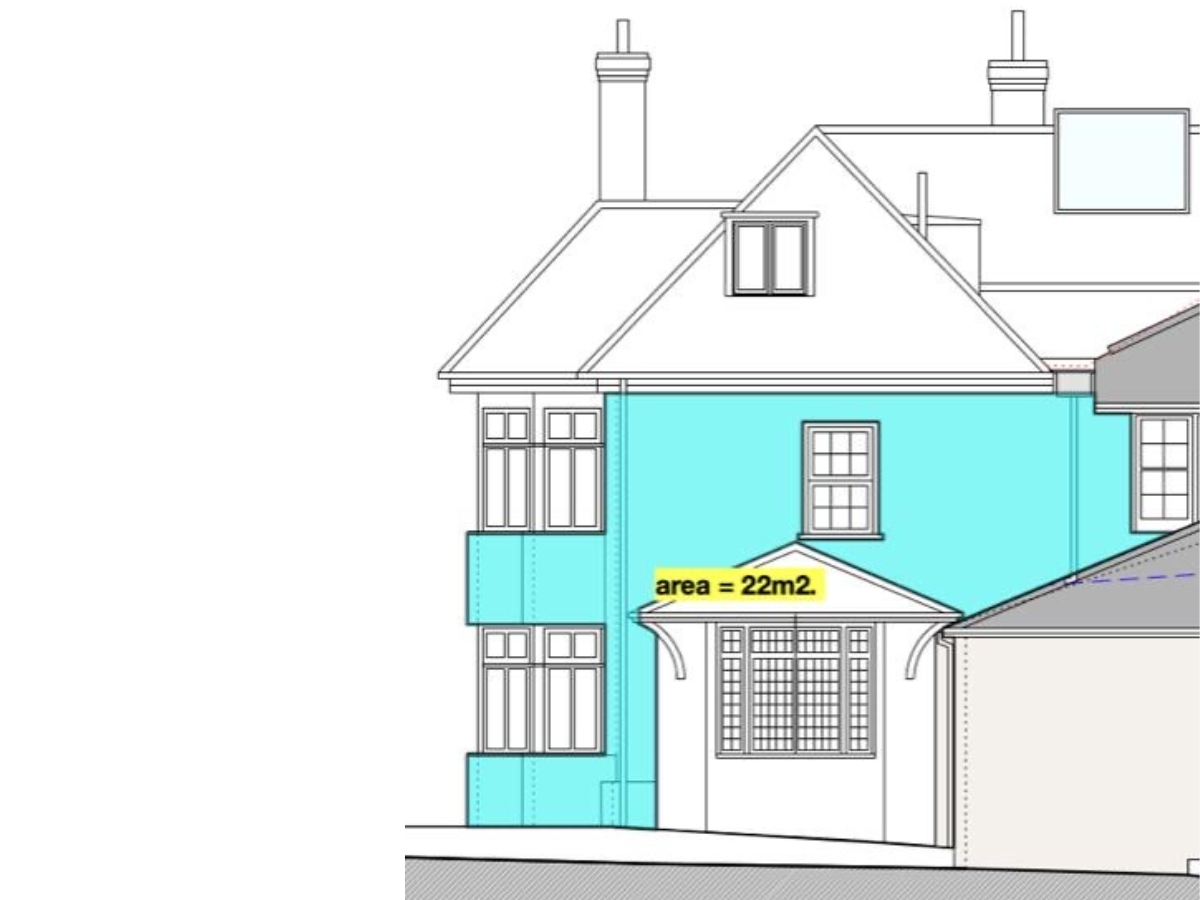
Architectural drawing of right elevation for listed building retrofit
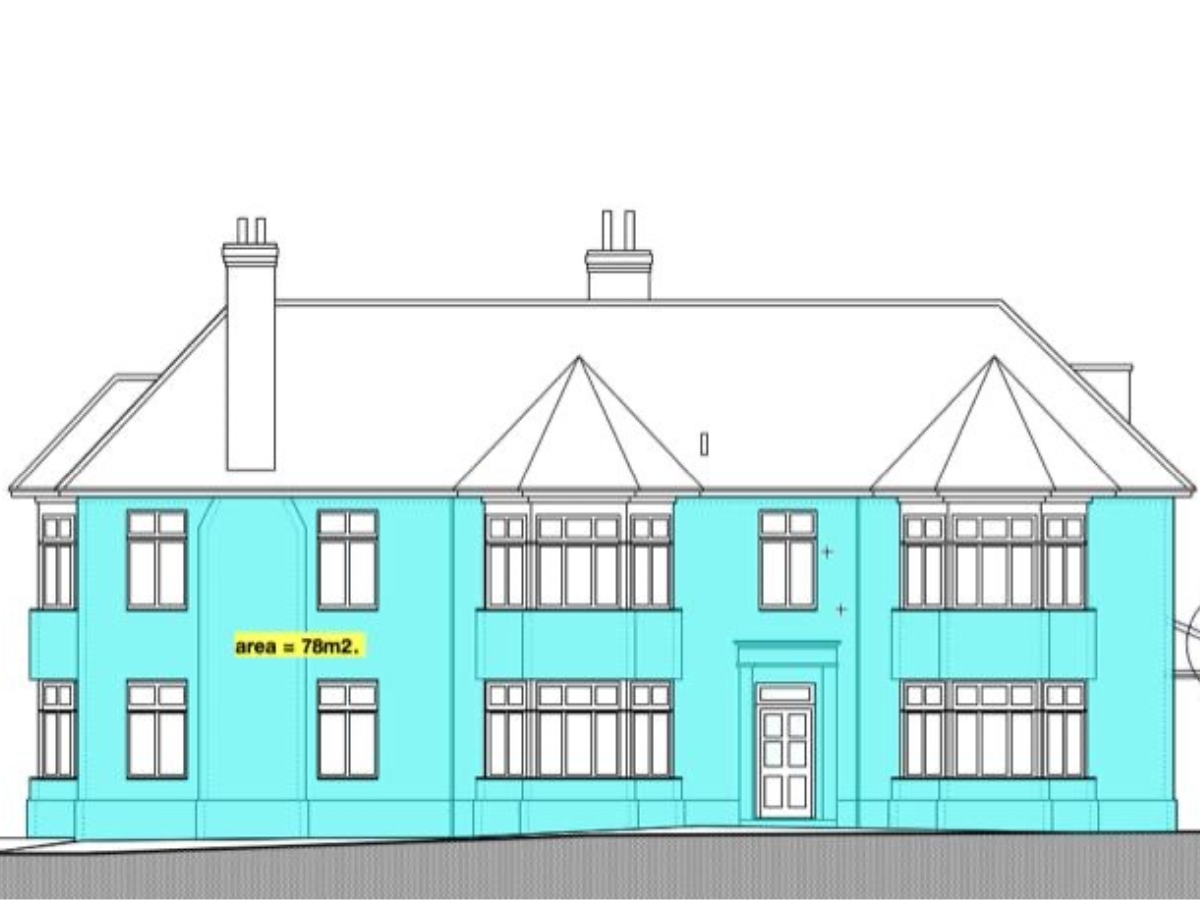
Front elevation drawing of solid wall house retrofit design
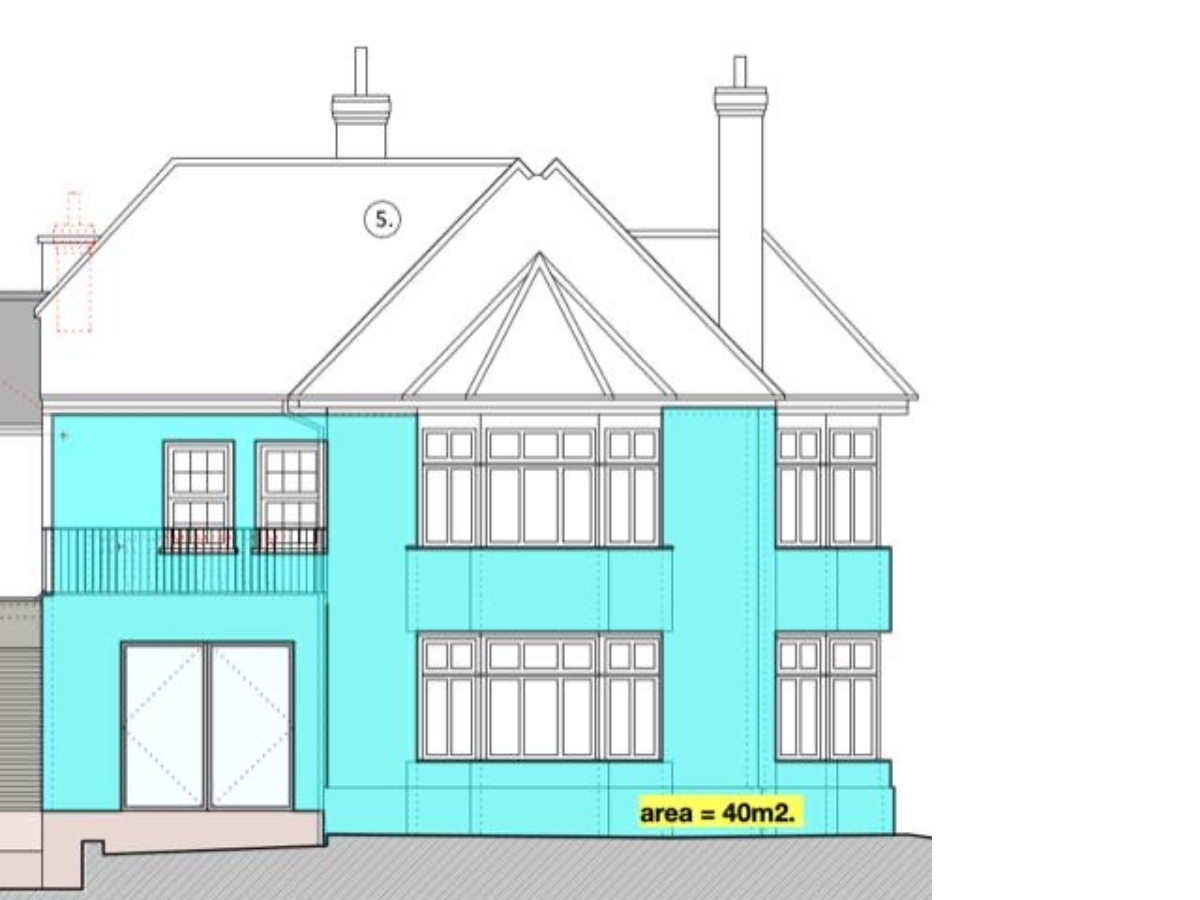
Left elevation architectural drawing of heritage property retrofit
The client understandably aimed for a high level of insulation, hoping to make the building perform almost like a new build. In most cases, the most effective way to improve thermal performance in a solid-walled property is external wall insulation (EWI).
keep the masonry warm,
make use of the wall’s thermal mass,
achieve a far more stable internal temperature.
However, as is often the case with listed buildings, there was a complication.
The complication...
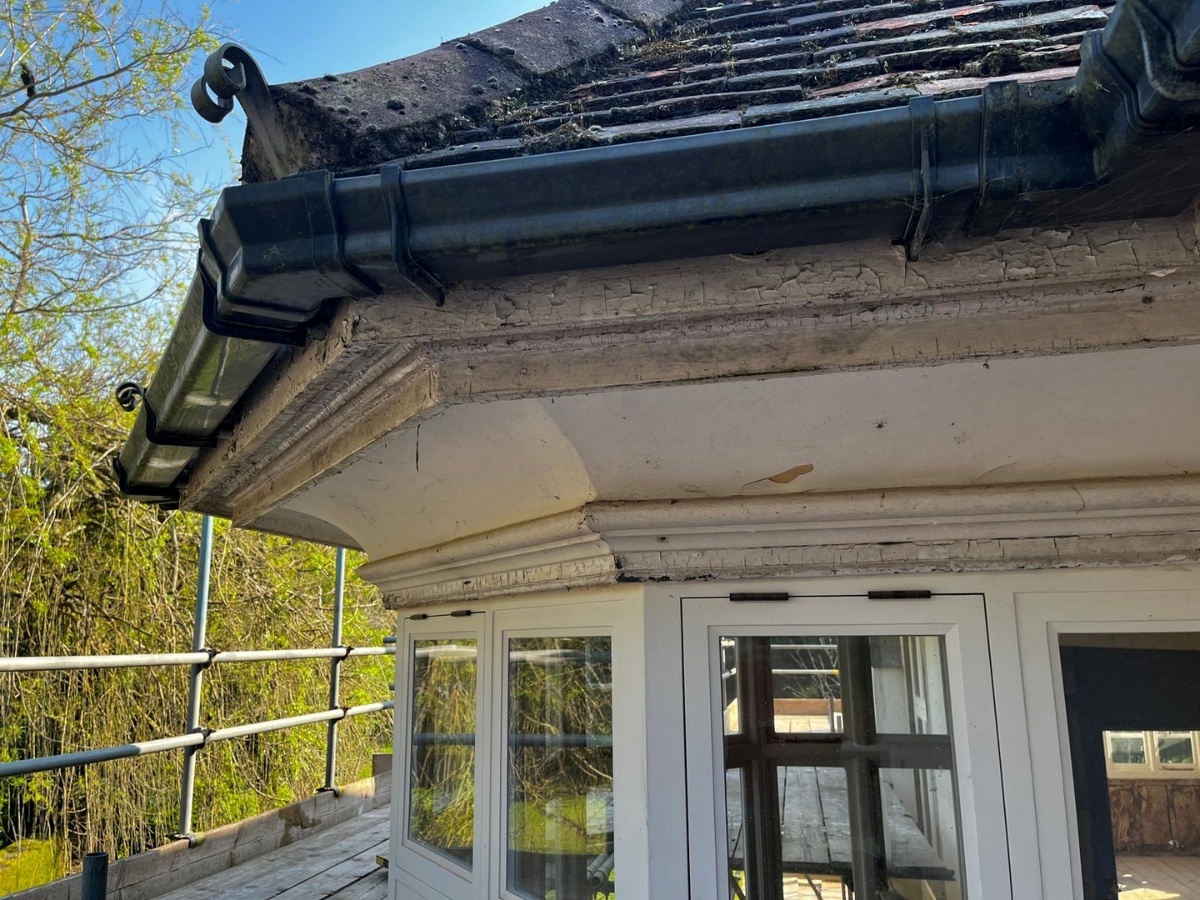
The property featured a beautiful and historically significant cornice detail beneath the eaves. Any conventional EWI system would require substantial thickness, which would obscure this feature—something the conservation officer understandably would not accept.
So, despite being technically ideal, external wall insulation was not an option. The project stalled before it could even begin, and for nine months no progress was made, as no EWI system received approval.
This is where we became involved.
Rather than forcing a solution that would never gain consent, we took a different route — developing a slim-profile, high-performance insulating lime render system.
Original architectural detailing required using slimline insulation approach.
A Different Approach: Slimline Insulating Lime Render
The aim was simple:
deliver meaningful thermal improvement
retain the original architectural detailing,
work in harmony with the building’s fabric
Unlike conventional insulation systems, this approach does not rely on bulk thickness alone. By using TermoRasante Aerogel MGN, a super-insulating lime plaster incorporating aerogel, we were able to achieve strong thermal performance with a much thinner build-up.
Crucially, this meant:
The cornicing remained visible, and the system received listed building consent without question.
Stripping Back and Starting Properly
The building had previously been coated in cement render, which is rarely a good fit for historic masonry. It traps moisture, restricts breathability, and often contributes to long-term deterioration.
The first step, therefore, was to strip this back entirely.
At the same time, we needed to record the original ashlar lines, which form an important part of the building’s architectural character, so that they could be carefully reinstated within the new insulating lime render.
Building the System: Layer by Layer
With the substrate prepared, we installed a carefully designed lime-based system.
1. Base Coat: Rinzaffo MGN Roman Base
The building had no damp-proof course—as you would expect from a 200-year-old structure. This means that moisture movement at low level is part of how the building functions.
To manage this, we applied Rinzaffo MGN as the first coat. This protective lime base coat was specified to prevent liquid water and salts from migrating into the insulating layer above.
This is a critical part of the build-up, as moisture and salt contamination would otherwise compromise the performance and durability of the insulating lime layer.
Rinzaffo MGN base coat applied to control moisture and protect insulating layers in a breathable wall system.
Rinzaffo MGN provides the right foundation by:
helping to control liquid water at the base of the wall
protecting the subsequent insulating layers from salt contamination
allowing vapour movement while preventing the cooling effect of evaporation, which would reduce insulation performance
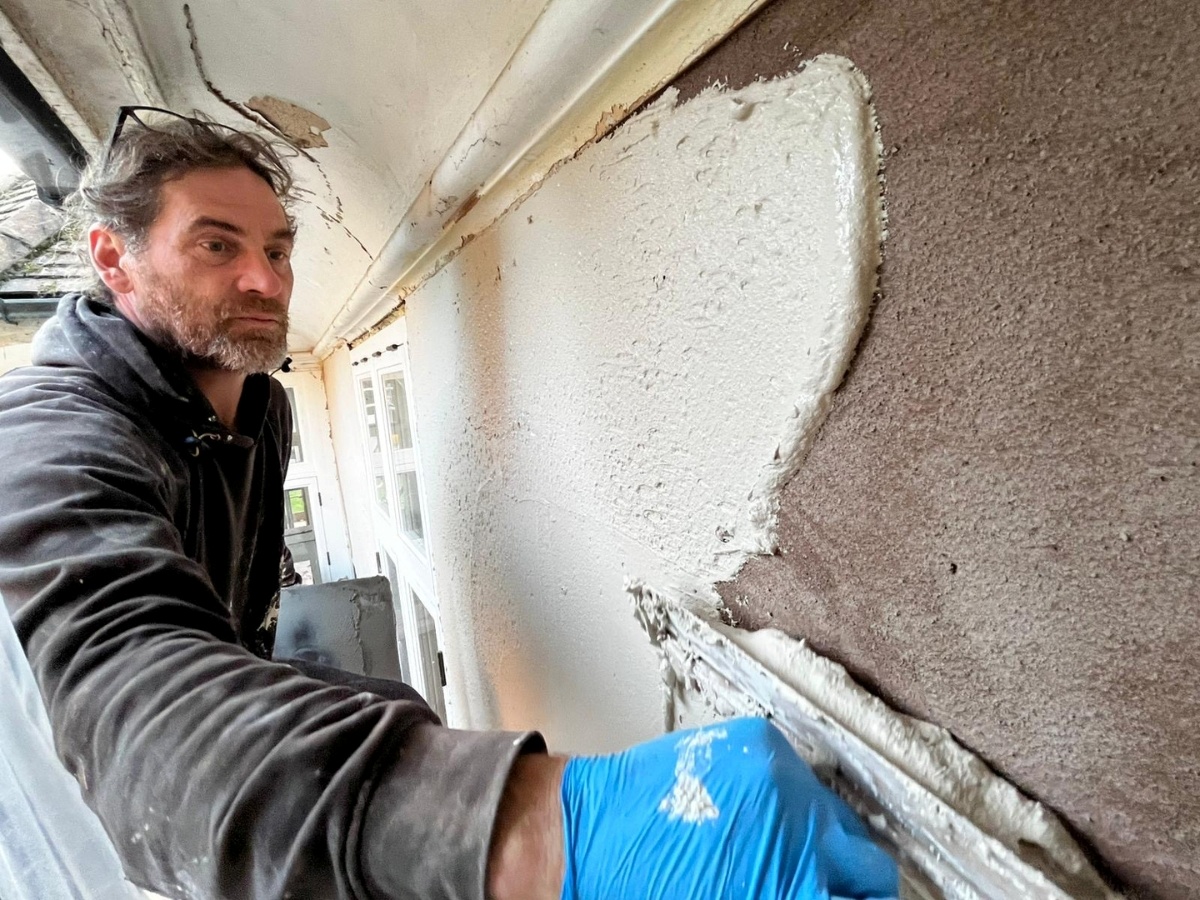
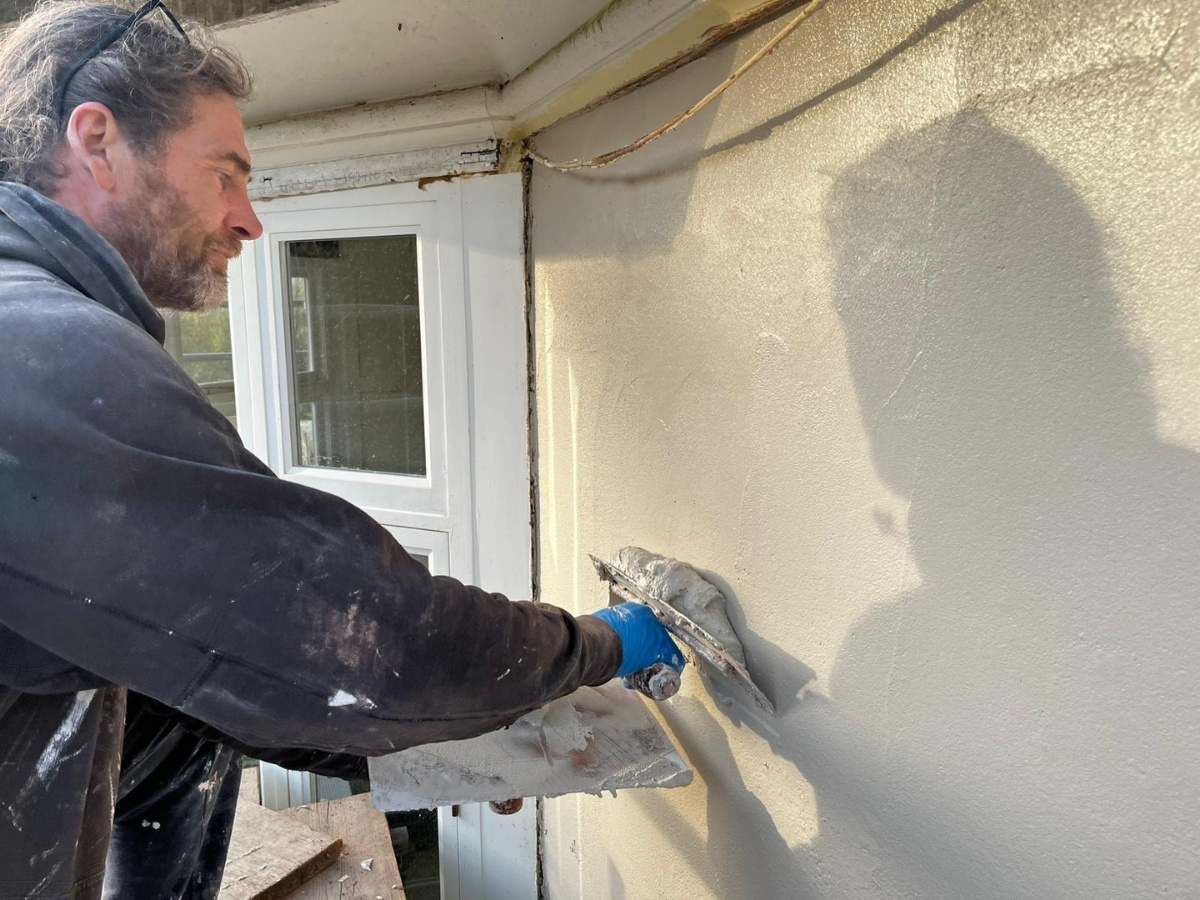
Rinzaffo MGN base coat and TermoRasante Aerogel MGN aerogel insulation layers visible during application
2. Insulating Coat: TermoRasante Aerogel MGN
On top of the Rinzaffo MGN base coat, we applied 40mm of TermoRasante Aerogel MGN.
This is the layer responsible for delivering the thermal improvement.
Despite its relatively slim profile, TermoRasante Aerogel MGN enabled us to achieve a wall build-up approaching a U-value of 0.3. This brought the building’s thermal performance close to modern standards—without compromising its original architectural features.
That was the key advantage: a thin-profile insulating solution capable of preserving details that would otherwise have been lost beneath a conventional EWI system.
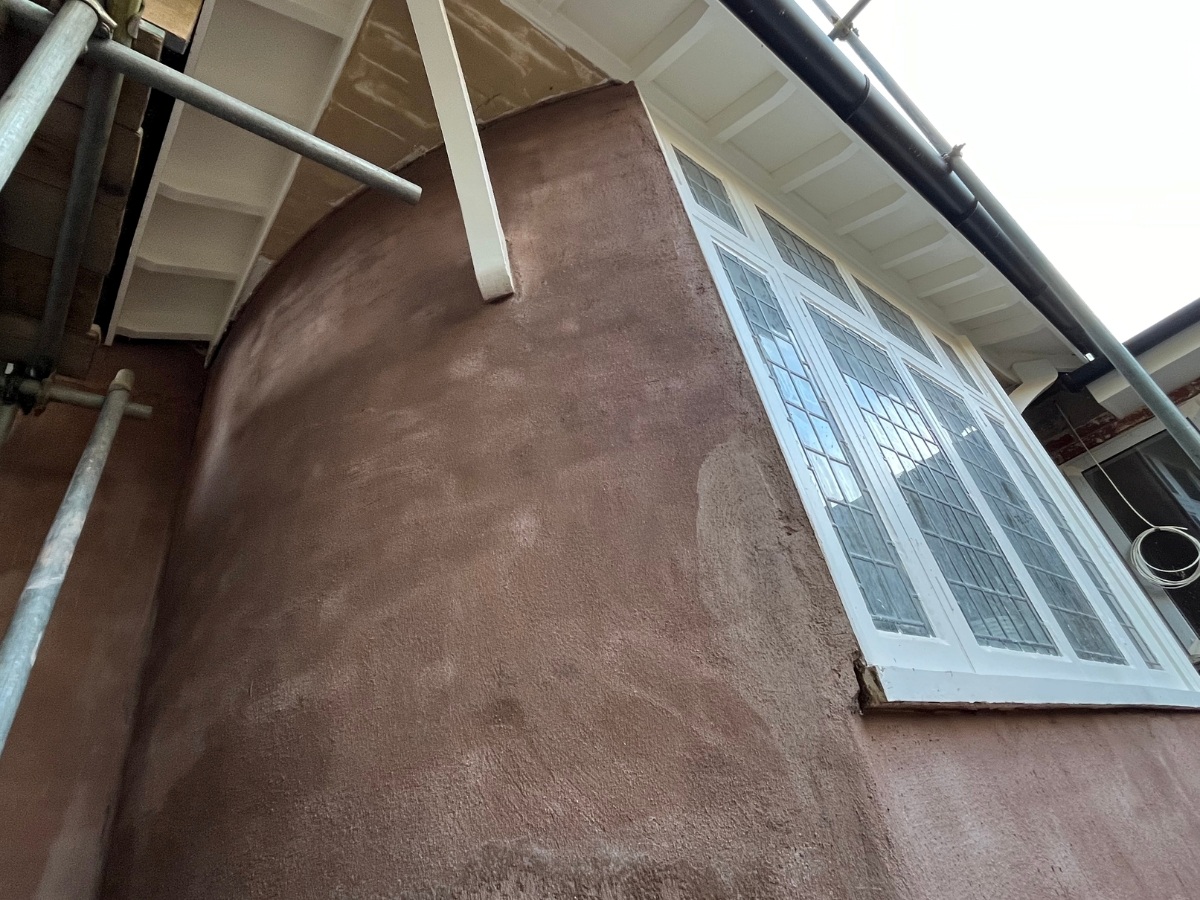
Wall fully covered with aerogel insulating lime plaster
3. Finishing Coat: Rasante B-2007
The insulation layer needed to be protected from the elements—after all, insulation performs best when it is dry.
We therefore finished the system with Rasante B-2007, a water-repellent external lime finish.
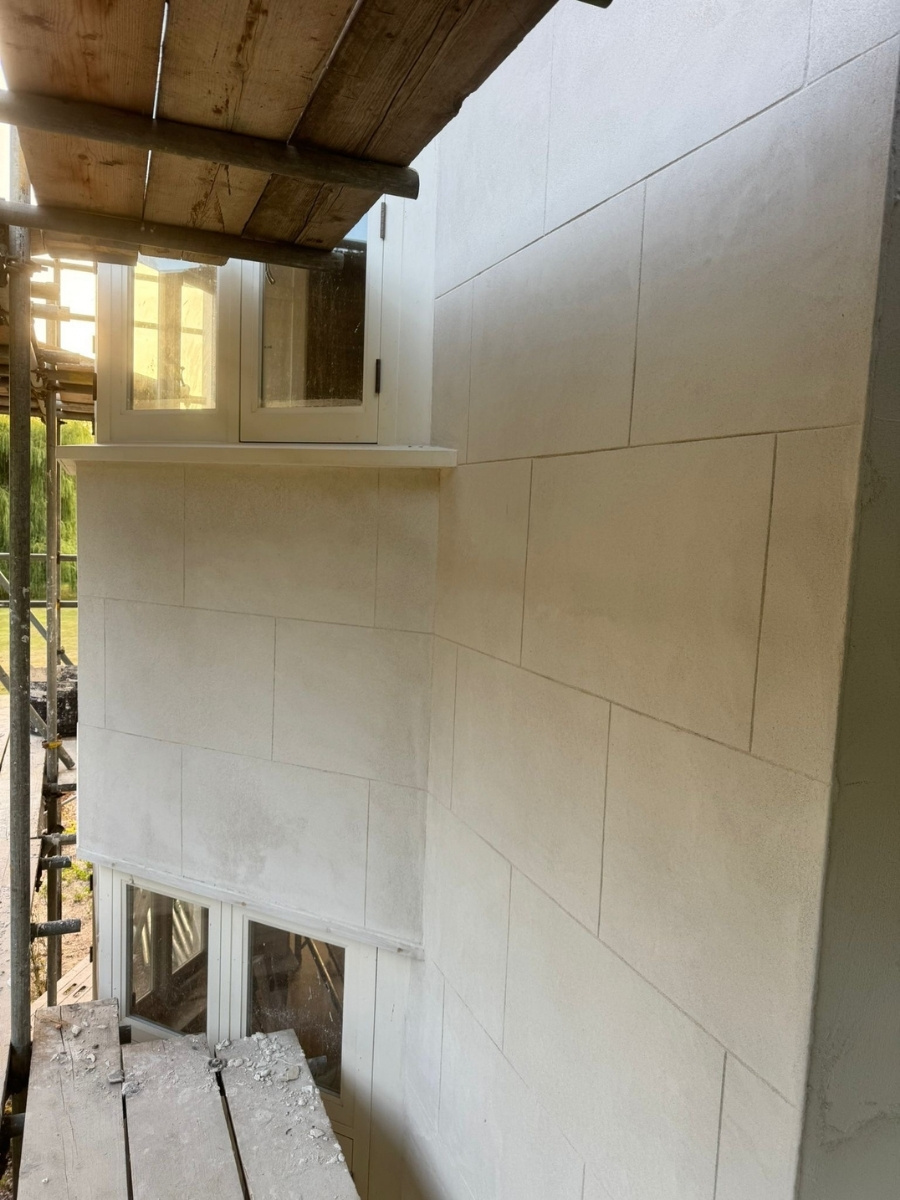
This coat also played an important aesthetic role. Its fine finish allowed us to accurately recreate the original ashlar lines, preserving the building’s historic appearance.
At this stage, the property simply presents as a well-executed lime-rendered façade. There is no obvious indication that it has been upgraded to modern thermal standards.
4. Final Protective Finish: KEIM Soldalit
To complete the system, we specified KEIM Soldalit, a breathable, water-repellent silicate paint.
This provides an additional layer of weather protection while maintaining vapour permeability—something that is essential in traditional construction.
In effect, the wall build-up benefits from two lines of defence:
Rasante B-2007 – a water-repellent lime finish
KEIM Soldalit – a breathable, water-repellent silicate paint
Together, these layers protect the insulation system from weather exposure while allowing the wall to perform as a breathable structure.
Final finish replicating original ashlar detailing while incorporating aerogel super-insulation and Rasante B-2007 finishing coat
The Result: Tested, Not Just Theoretical
See the Performance in Action
It is one thing to calculate performance — it is another to see it proven on site.
Towards the end of the project, once the insulation had been completed, an independent third party carried out high-resolution thermal imaging of the building to assess heat loss and thermal leakage.
The results were, frankly, impressive.
The property also included a new extension, built to modern standards with:
cavity wall construction
100mm Celotex insulation
Yet the thermal imaging showed that:
The 40mm TermoRasante Aerogel MGN system applied to the original 200mm solid brick masonry performed comparably — and in some areas even better — than the new-build cavity wall construction with 100mm Celotex insulation.
That is a remarkable outcome, and importantly, it is based on real-life thermal imaging, not simply theoretical modelling.
Why This Matters
For anyone working with listed or historic buildings, this project highlights an important point:
You do not have to choose between thermal performance and conservation values.
With the right specification, materials, and detailing, it is entirely possible to:
achieve modern U-value targets
reduce heating costs
retain important architectural features
satisfy conservation requirements
In this case, great materials such as Rinzaffo MGN, TermoRasante Aerogel MGN, Rasante B-2007, and KEIM Soldalit allowed us to deliver a result that respected both the building’s heritage and the client’s need for a warm, comfortable home.
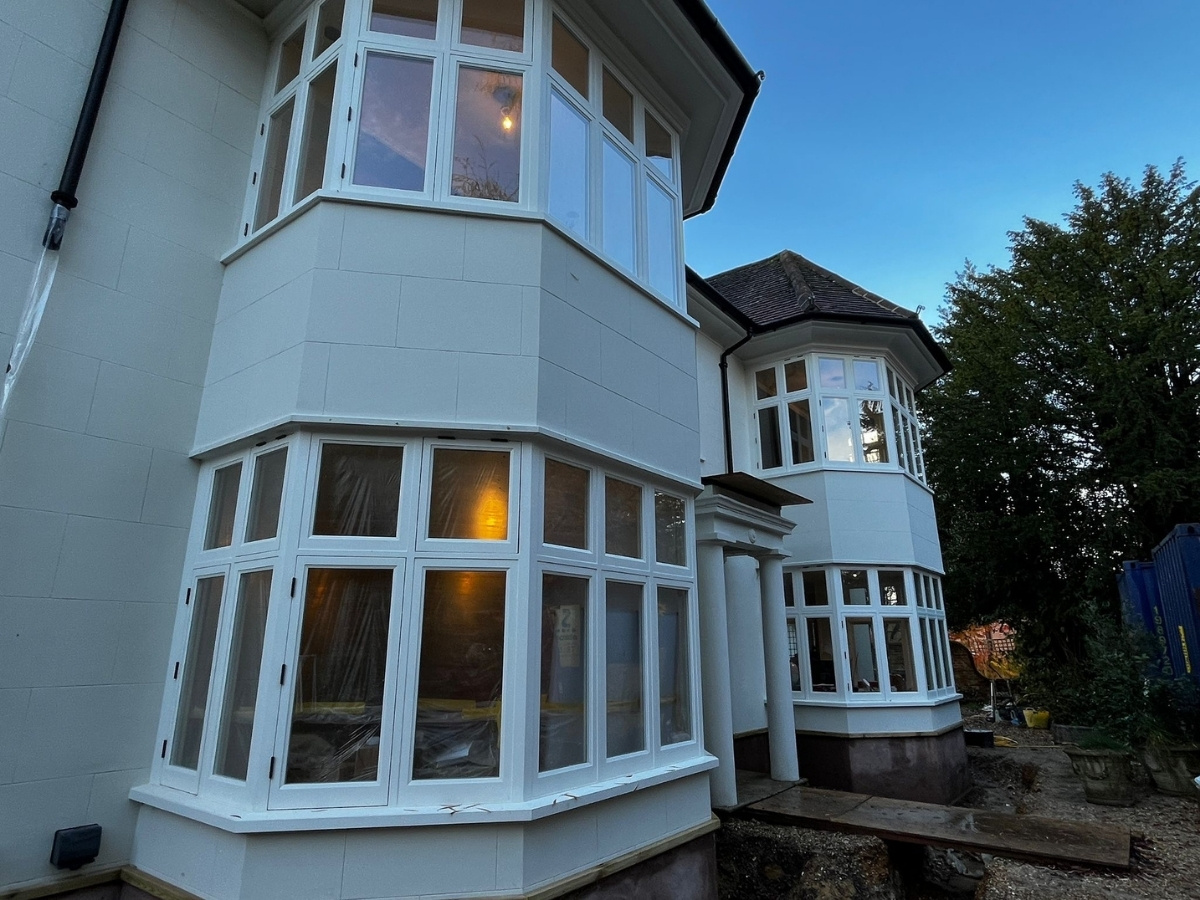
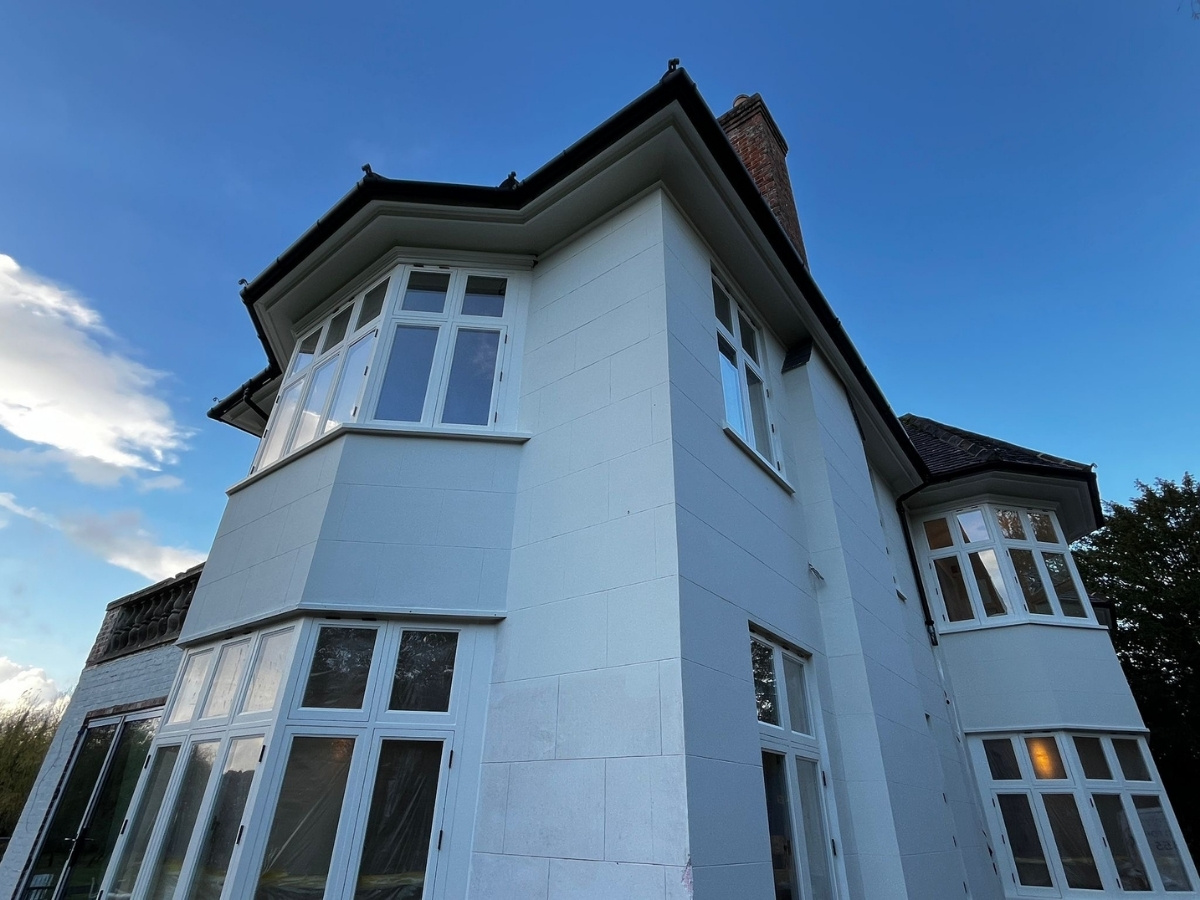
Final result: a warm, comfortable home achieved without compromising historic character.
Final Thoughts
This was never about “bending the rules” or forcing a modern solution onto a sensitive building. It was about understanding how the building works, respecting its history, and selecting materials that solve the problem without erasing the character that makes the place special.
The end result is a building that:
looks exactly as it should
feels completely different to live in
performs in line with modern expectations, while still following the building physics of traditional construction
And perhaps most importantly:
It is now a home that can be comfortably lived in all year round.
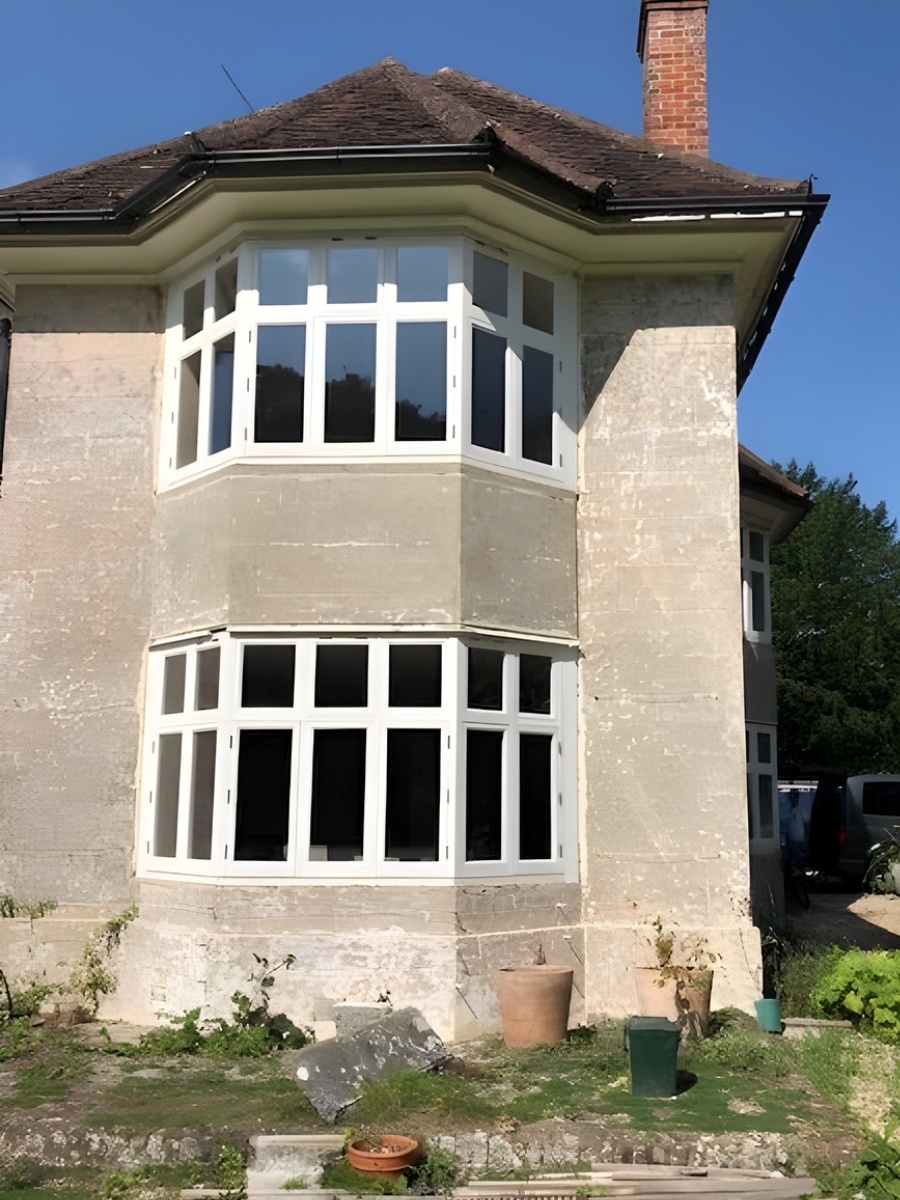
Completed retrofit of heritage building with insulating lime render
This waterproof lime plaster is based on an original recipe by the Roman architect Marcus Vitruvius Pollio. In The Ten Books on Architecture (De Architectura), Vitruvius describes how to use a specific volcanic material from Mount Vesuvius to make lime both durable and completely waterproof.
Our Italian partner, Naldo Busato, master of Venetian building restoration, collaborated with the Polytechnic University of Milan to faithfully recreate this ancient material. The result? MGN Rinzaffo Roman Waterproofing Plaster — durable, breathable, and perfect for sensitive restoration work.