
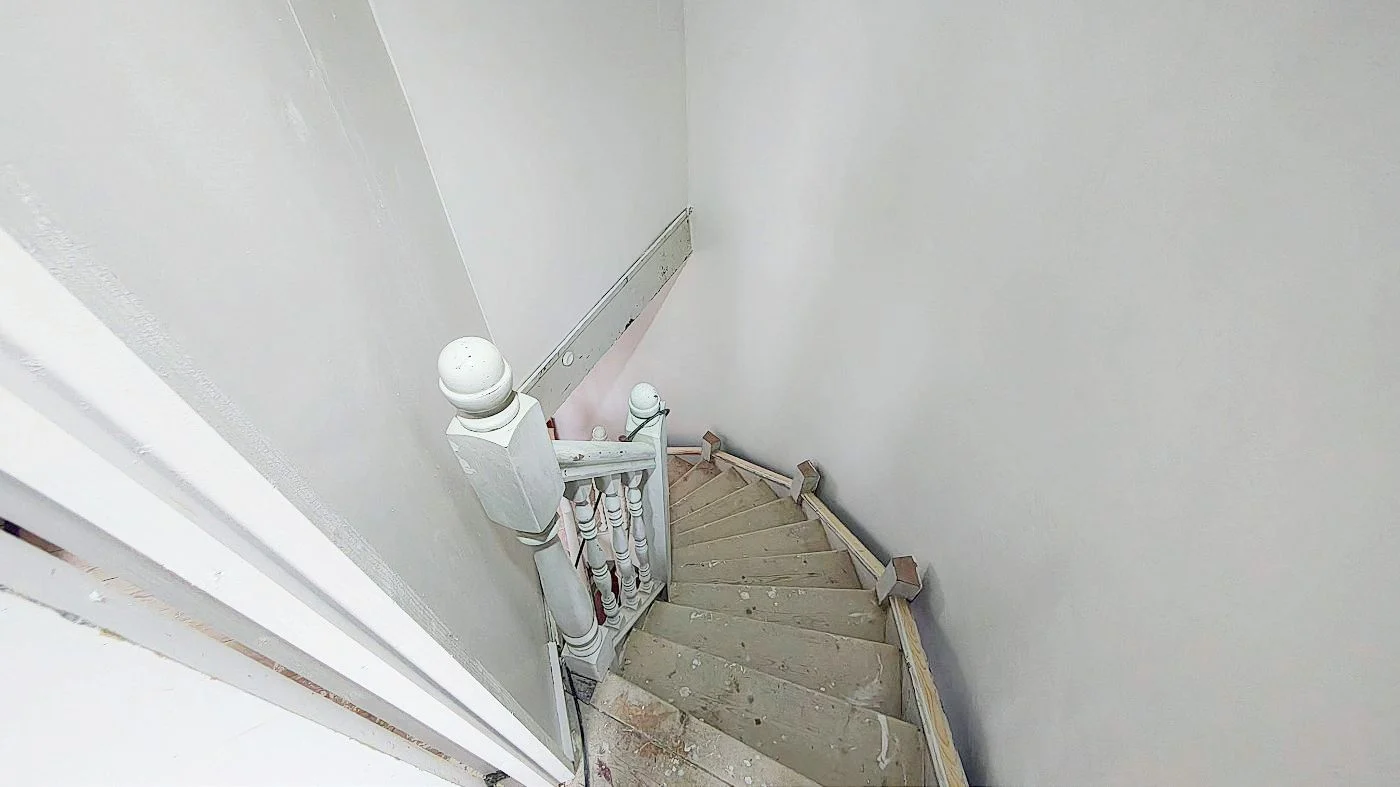
- here is how
There are many brilliant ways to insulate buildings — but when it comes to older properties, things can get tricky. What if the building is listed? What if you can’t (or don’t want to) change its appearance? Or what if it’s a windmill or a hop kiln with curved walls and tight spaces?
Curved, Quirky or Historic?
These Walls Just Got an Insulation Upgrade
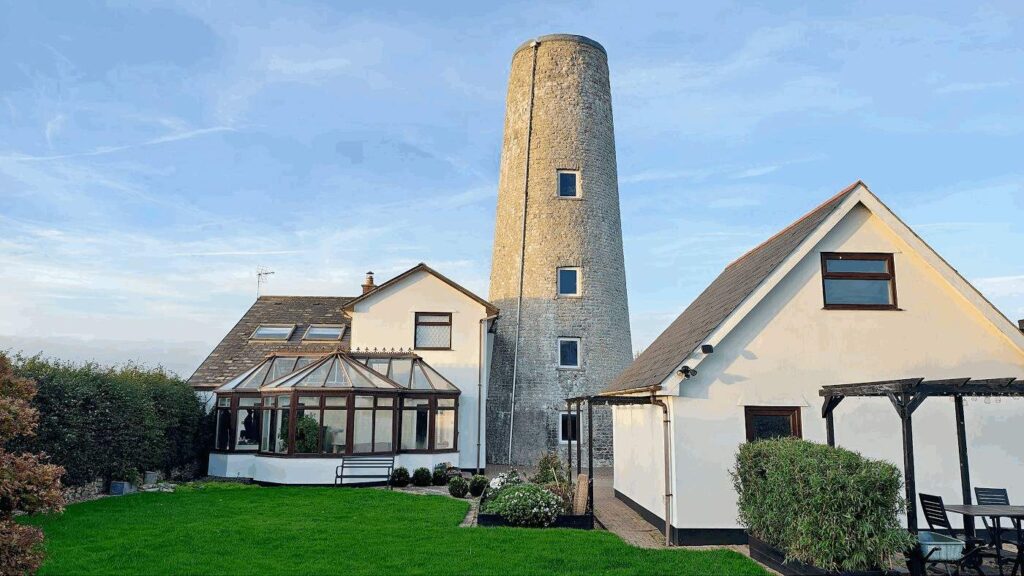
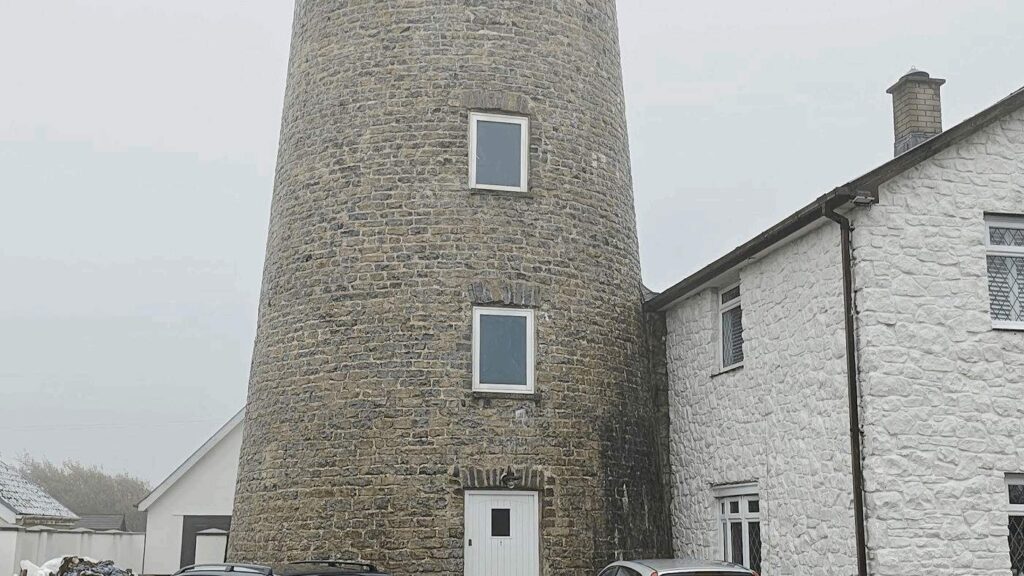


We often get asked: How can I insulate curved or uneven walls? It’s a great question — many historic buildings have walls that are anything but straight. The answer? Super-insulating lime plasters.
Since the plaster is applied directly onto the wall, it follows every curve, twist and turn. And with its slim profile, it can still deliver excellent insulation performance. Our go-to product for these projects is TermoRasante Aerogel MGN – a top-performing aerogel-lime mix.
Why it works?
- Slim-profile, breathable thermal barrier — no condensation or trapped moisture
- Significantly reduces energy bills by improving thermal performance
- Protects buildings from the elements (when applied externally as an EWI)
- Enhances appearance while preserving heritage
- Even a 4–10 mm coat makes a big difference
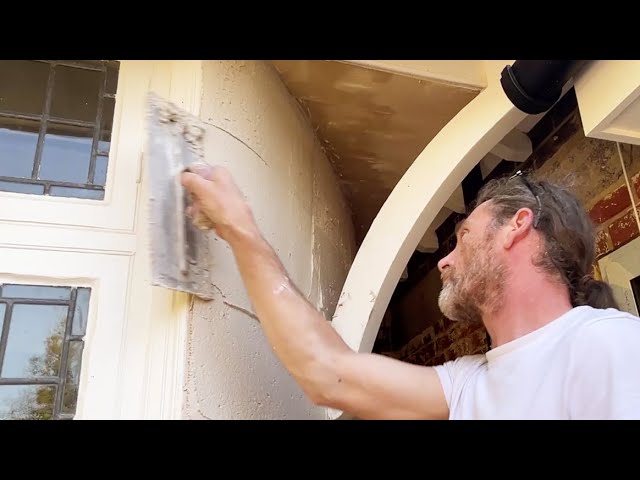
Perfect for old stone walls, single-skin brickwork, timber-frame infill panels — and even suitable for Passive House projects.
A Real-Life Example:
Insulating a Windmill
Step 1: Solve Dampness First
In old buildings, damp walls radiate cold. So insulation begins with fixing moisture issues. Our go-to solution is Rinzaffo MGN— a salt- and moisture-resistant Roman lime base coat, based on the ancient formula described by Vitruvius, Roman architect, over 2,000 years ago. Once cured, it becomes waterproof but remains breathable — ideal for coastal buildings.
Some areas—like behind joists—were nearly inaccessible. By carefully removing and re-installing a few joist ends, we were able to fix every last leak.
BEFORE
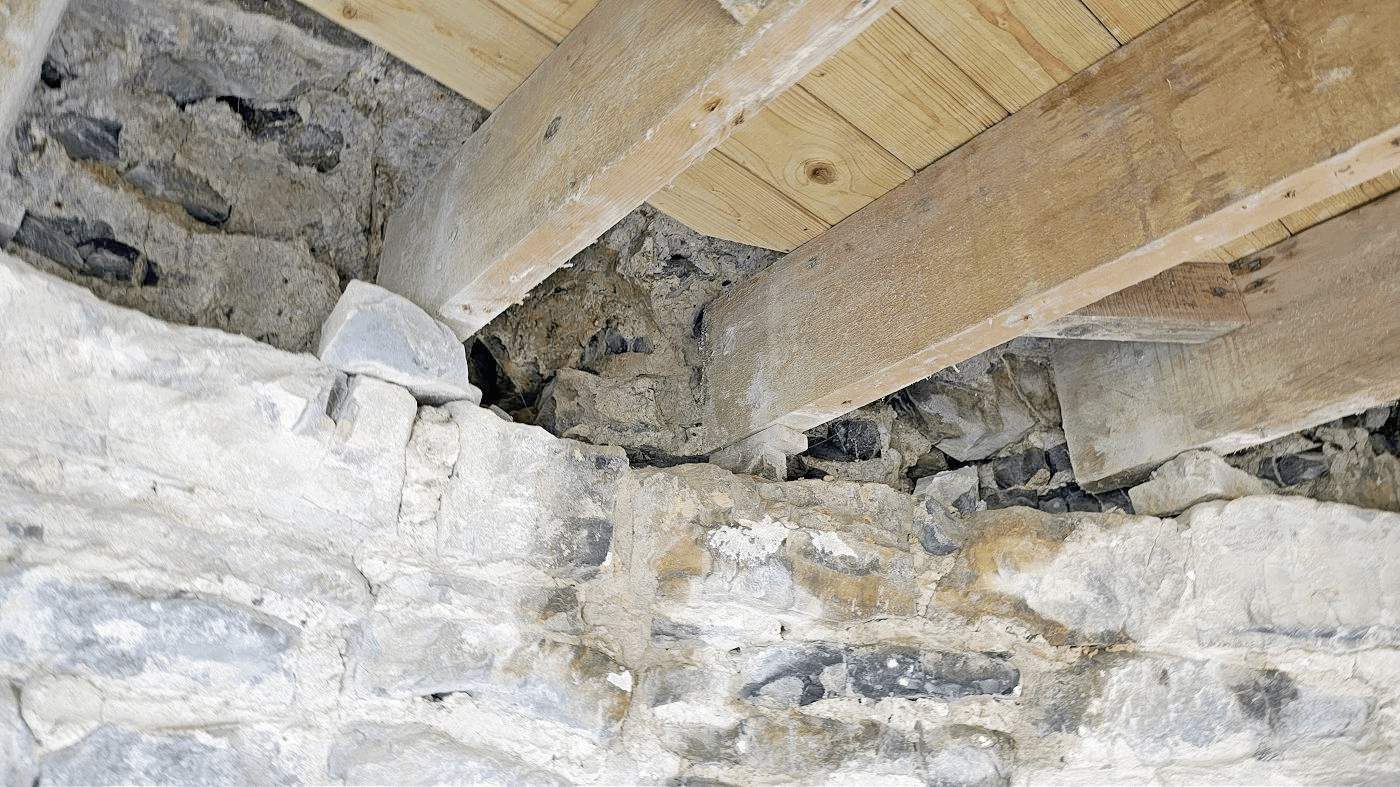
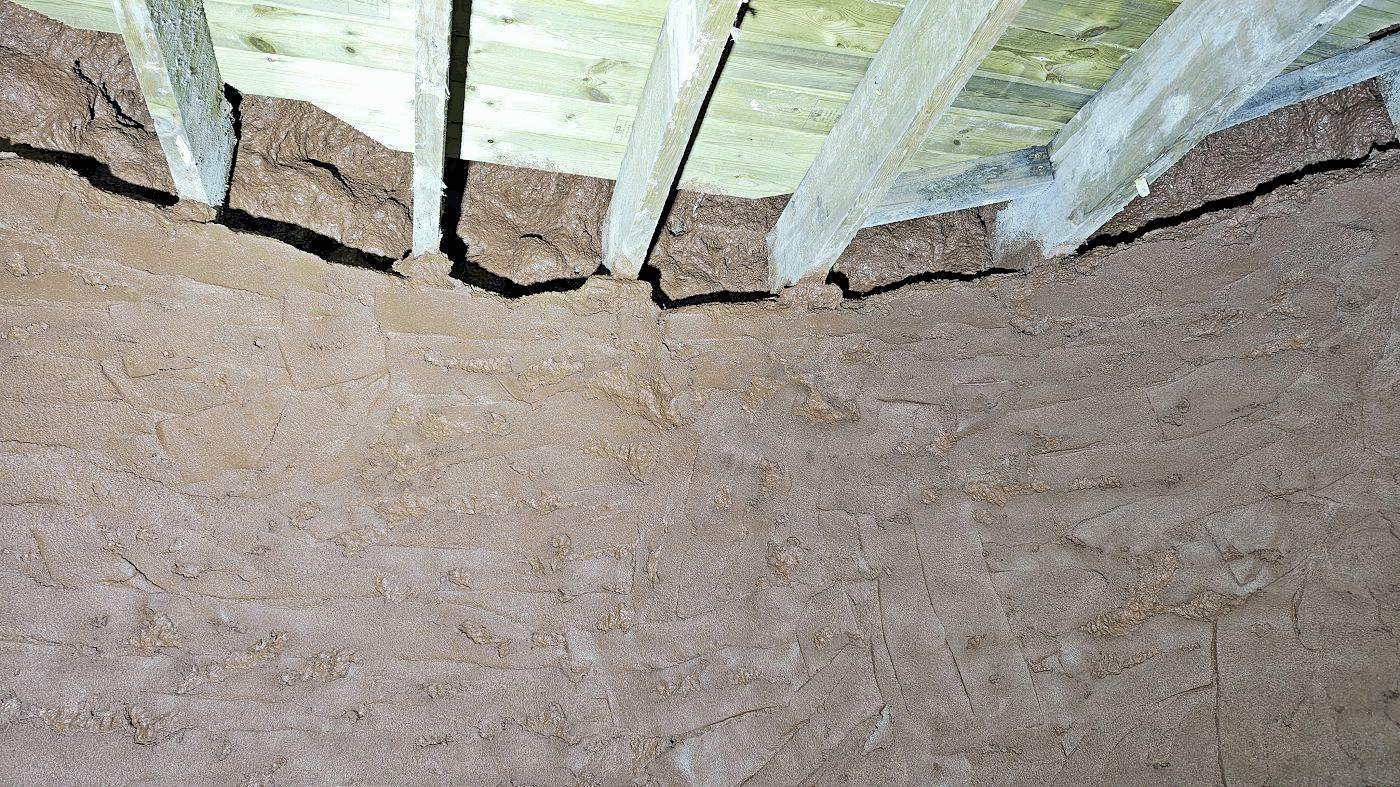
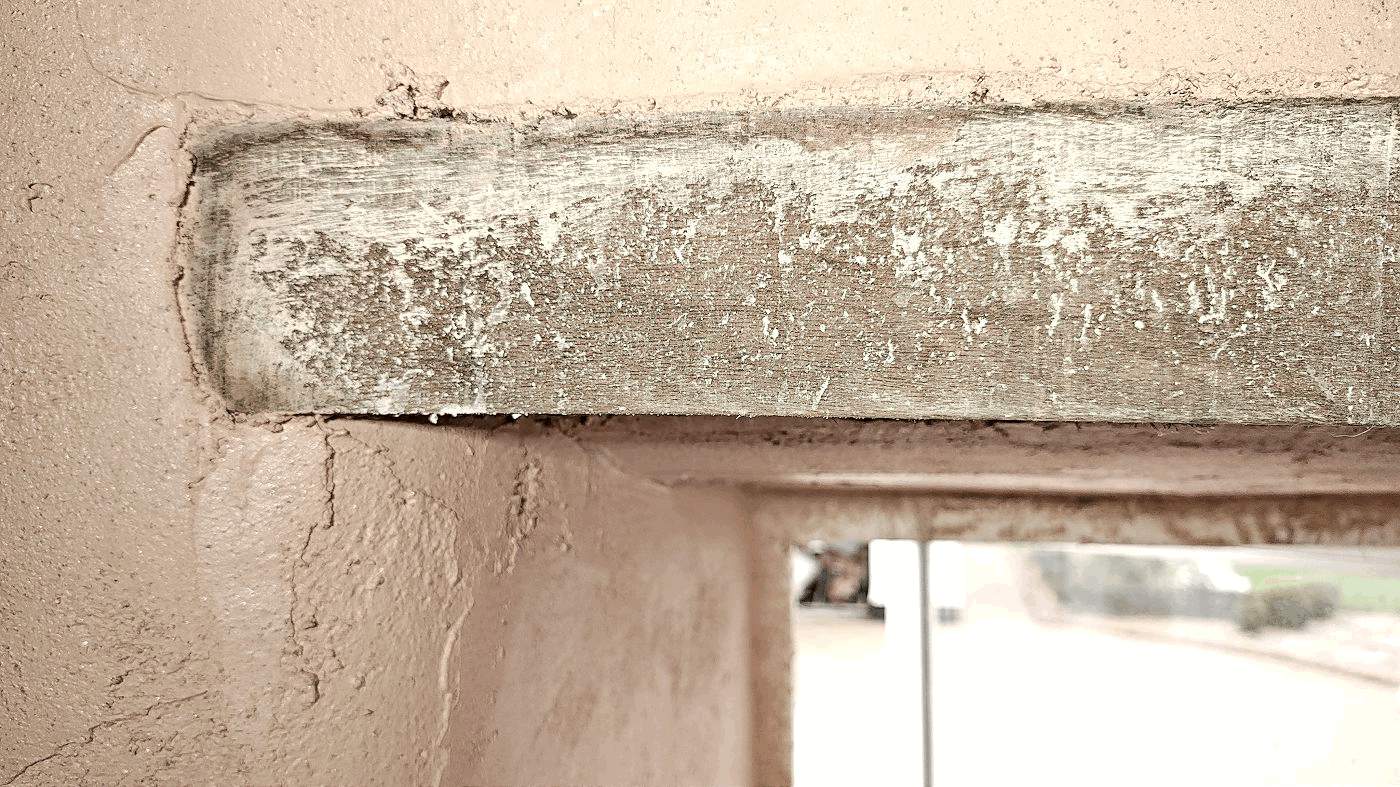

AFTER
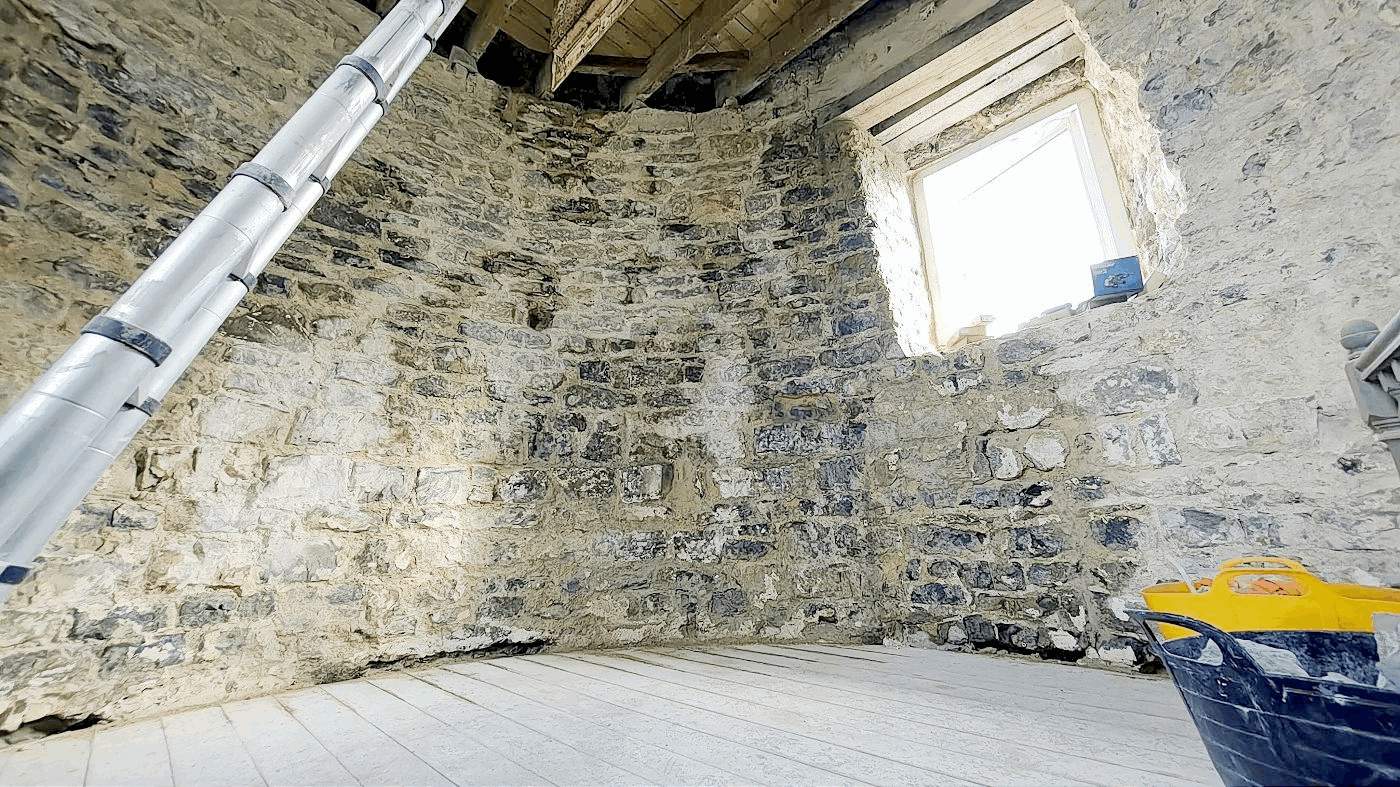
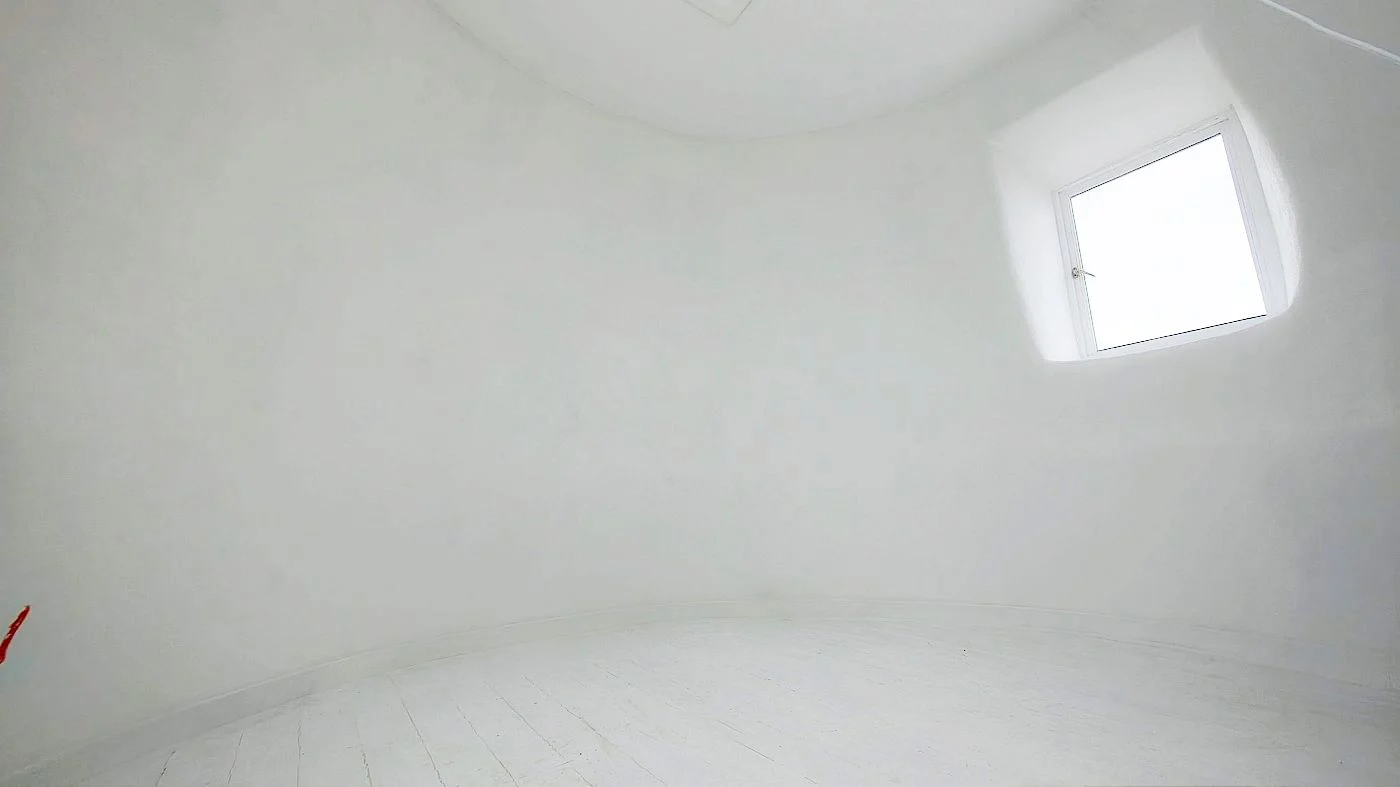
Step 2: Insulate Curved Rooms
with Insulating Lime Plasters
For the windmill’s curved interiors, we used two complementary lime-based insulation plasters:
Coccioterm MGN – A thermal lime-terracotta plaster that helps regulate humidity. Cocciopesto plasters have been used since Roman times in humid environments such as baths, cellars, and marine settings. This modern version retains all the humidity-regulating properties of the original while incorporating high-performance insulating aggregates.
TermoRasante Aerogel MGN – Our slim-profile, super-insulating aerogel mix: a 10mm coat of this award-winning product has been used to make the walls thermally reflective and significantly boost thermal comfort.
BEFORE
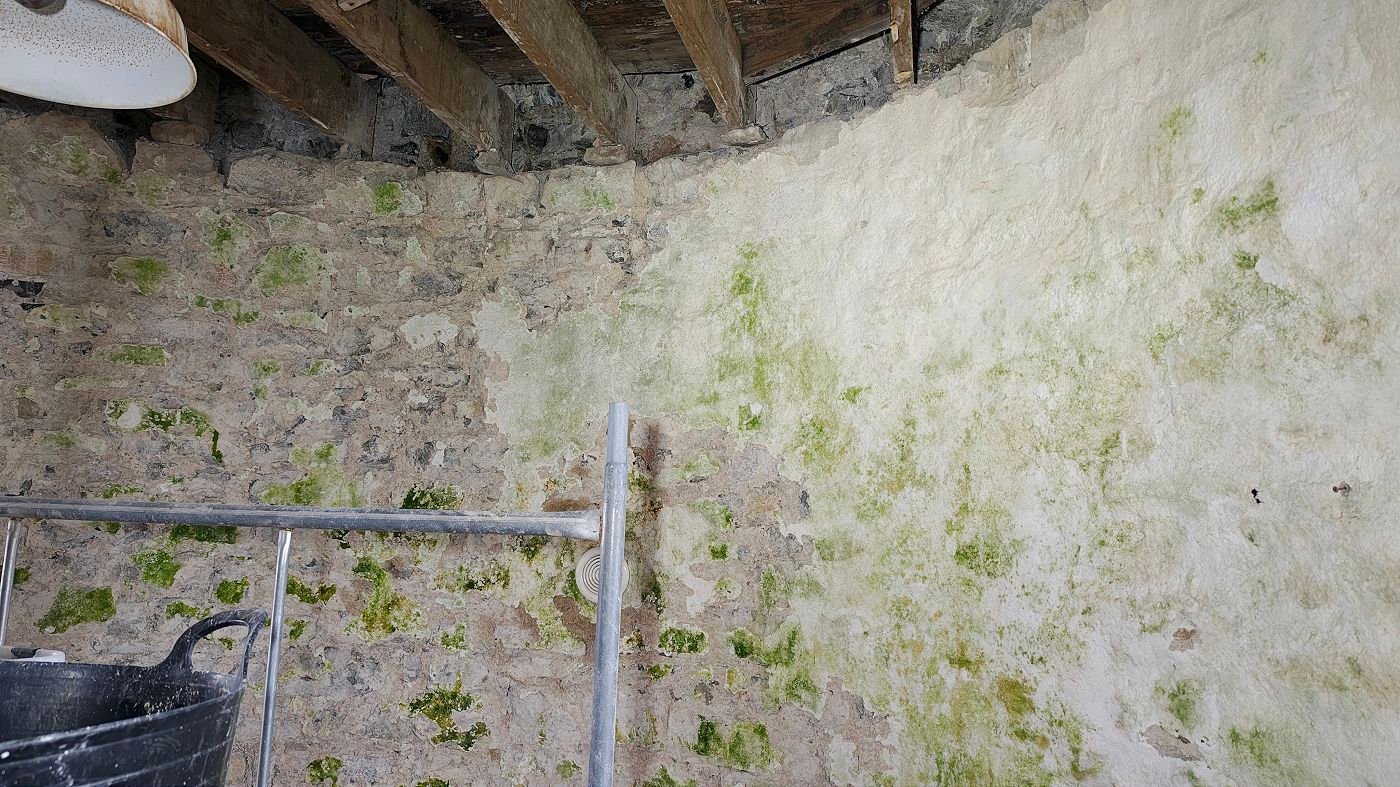
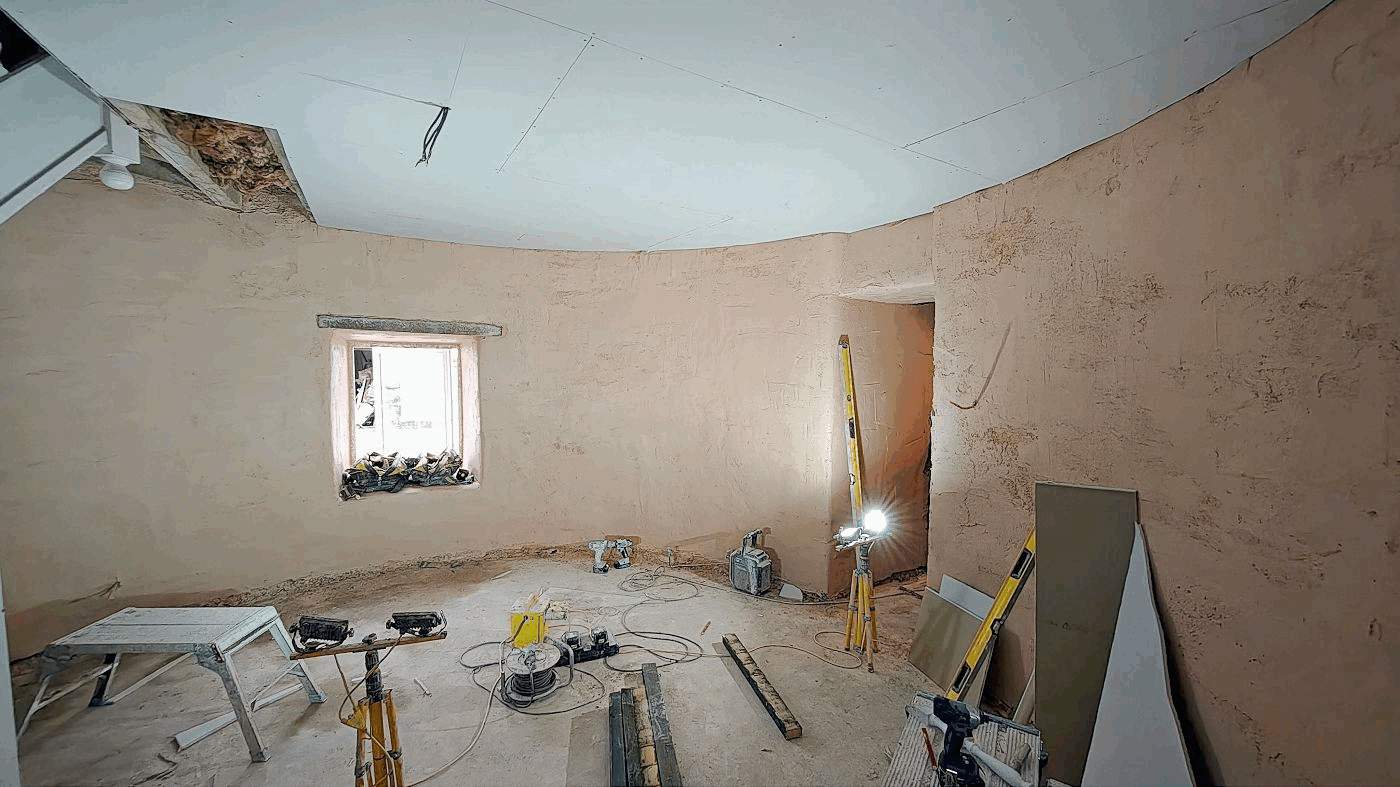
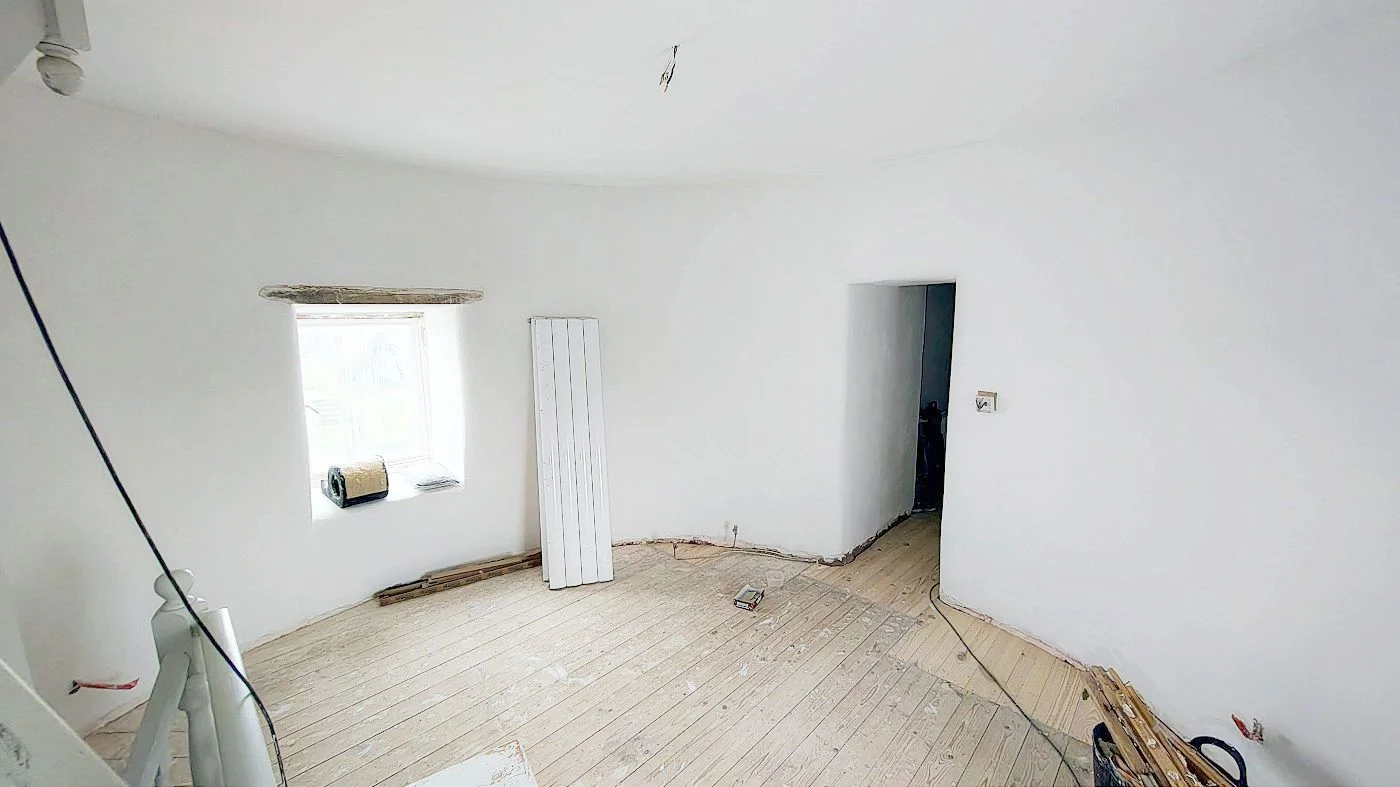
AFTER
Step 3: Protective Lime Finish
and Breathable Decoration
The final touch was the application of Rasacol MGN, a protective lime finish that provides lasting mechanical resistance to the insulation layer. It was then decorated with the client’s choice of breathable paint, achieving the historically accurate aesthetic they were looking for.
BEFORE
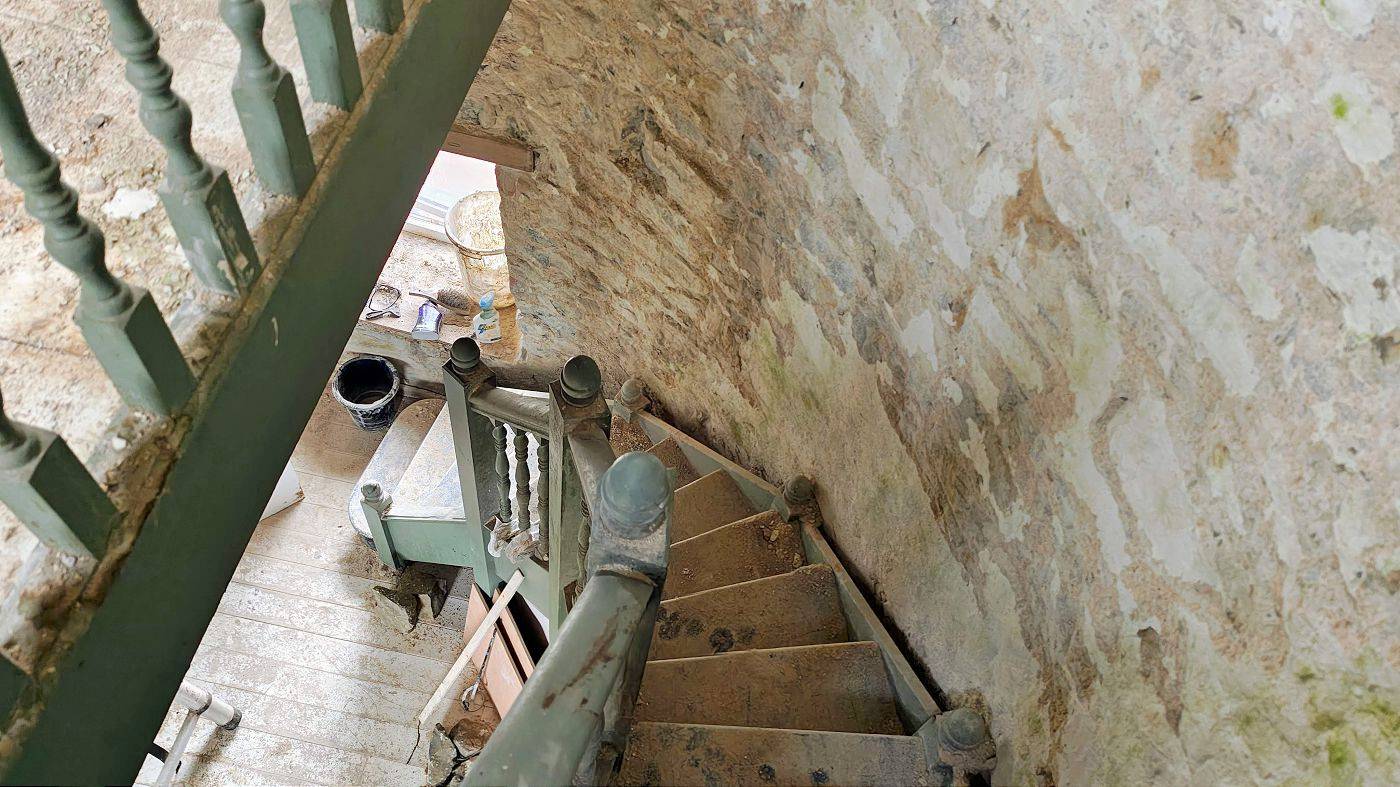

AFTER
Bonus:
Lime Floor Upgrade
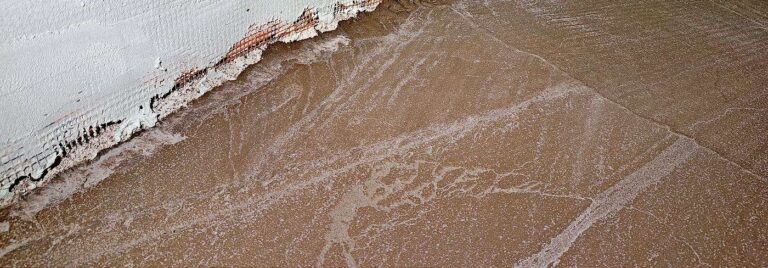
The original cement floor received a 20 mm layer of Rinzaffo MGN to act as a breathable lime base, ready for any final floor finish.
Insulation That Respects the Building
Breathable, space-saving, and effective, insulating lime plasters are the future of heritage restoration.
Learn more about the above mentioned products
GET IN TOUCH FOR A FREE CONSULTATION
Fun Fact:
The Roman Origins of Rinzaffo MGN
This waterproof lime plaster is based on an original recipe by the Roman architect Marcus Vitruvius Pollio. In The Ten Books on Architecture (De Architectura), Vitruvius describes how to use a specific volcanic material from Mount Vesuvius to make lime both durable and completely waterproof.
Our Italian partner, Naldo Busato, master of Venetian building restoration, collaborated with the Polytechnic University of Milan to faithfully recreate this ancient material. The result? MGN Rinzaffo Roman Waterproofing Plaster — durable, breathable, and perfect for sensitive restoration work.